Friday, February 5, 2016

SOLO Taxonomy PD day with Pam Hook

We had a fantastic whole staff PD day today. We were all in the auditorium listening to the very entertaining and informative Pam Hook talking SOLO Taxonomy and it's application in the classroom.

Here are my notes from the day - they are just as they were taken at the time with no editing done.

SOLO PD day with Pam Hook


SOLO has been used in New Zealand for 14 years and this country is the widest user of SOLO at the moment.


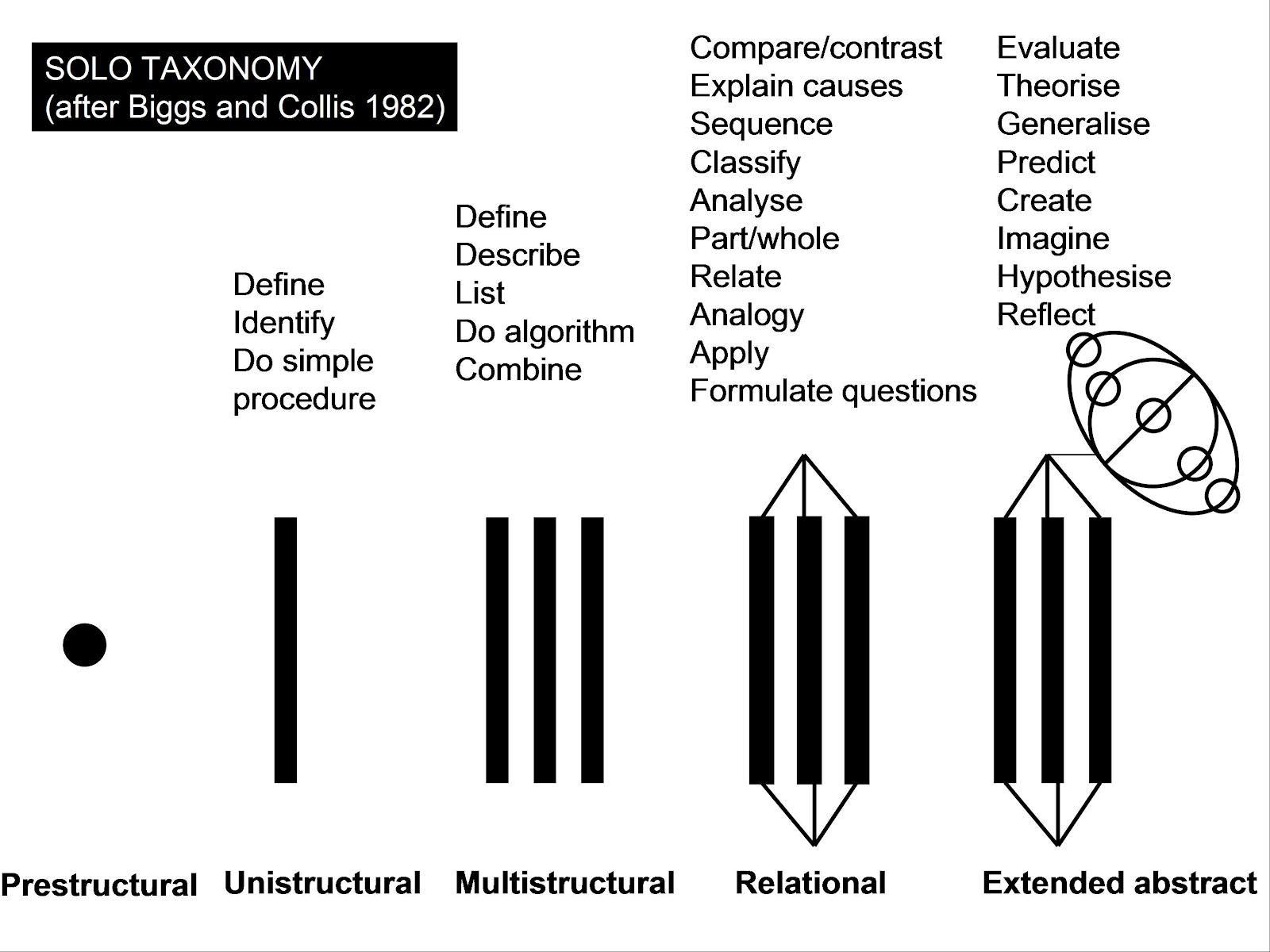
Structure of Observed Learning Outcome.
Use the model to judge what you can SEE of the learning.


Looking at the outcome can allow you to place it into one of the areas for assessing where it is.


Facts are required in your mind so you can use them at will.
Strategies need to connect these facts. - why, because, timeline, compare with something else - ideas need to be linked.
These linked ideas then need to be looked at and evaluated.


Kids drop out because they don’t understand what you want them to do
Launching with the high end extended stuff is meaningless without the build up and scaffolding of the learning tasks. You need to lead to a deep outcome, not expect it straight away.


How to help kids structure questions to aid their learning.


Vulnerable students mindsets :-


Why do kids think it is luck when there work is marked well or they think that the teachers likes them or their work?
Kids give up a subject if they don’t like the teacher.


Fixed ability, fixed mindset about their learning. They think that they will not succeed. Try hard, fail anyway and get mocked by their friends.


Fixed ability smart. Kids who are always told that they are gifted, clever etc… they get results because they are gifted not because of the process they have worked through.
They suffer when work gets more challenging as they don’t have the process embedded.


The students need to think that they got the learning outcome due to what they did and the steps they went through. ( not lucky, dumb or gifted )


Is high self esteem linked to high achievement?
Lots of money spent on lifting the esteem of students thinking that this would improve their achievement.
This is not the case as they are not linked.
Can the type of praise that is given limit where students will reach for?


The mindset about learning affects how long you will persist with something. Relying of effort rather than how clever they are.


Students need to take on challenges and stick with it even if it goes really wrong. This is not a reflection on them, but a process that they are going through. Looking for and trying new strategies to get the outcome they want.


SOLO taxonomy handsigns - good for use in the classroom to indicate what level you are talking / working at.
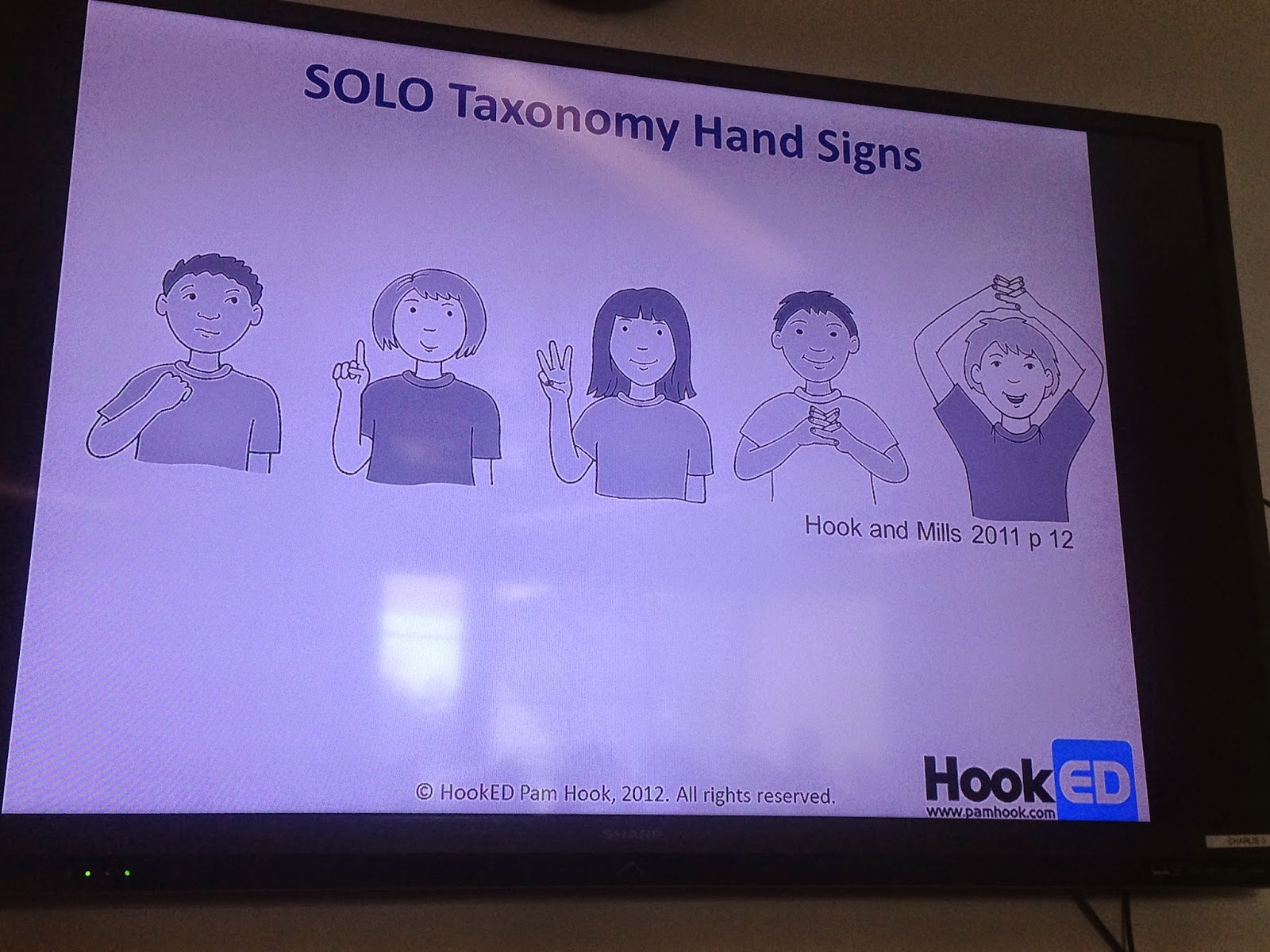


Can the students tell you what they are doing based on the solo level of the task?
Tasks can be set a level but the student outcomes can be at any level.


SOLO hexagons
Put any ideas up for discussion on a hexagon.
All these ideas together create multi structural outcomes
Putting them next to each other to create links get them thinking about reasons why they link.
Look at the whole cluster and talk about what the whole idea was about - extended abstract.


You can annotate the reasons why you have linked the hexagons.


1 idea is better than none
lots of ideas is great
it becomes lots more interesting when you link these things together


you can prepare hexagons with the language you want them to use so they can add these into their connections.


Let students think individually first before they work together.


Pam Hook on pintrest
https://www.pinterest.com/solotaxonomy/

Here is our table having a go at linking hexagons based on the theme of morning tea.
It was interesting to see how we could completely change the focus according to how we grouped the hexagons.
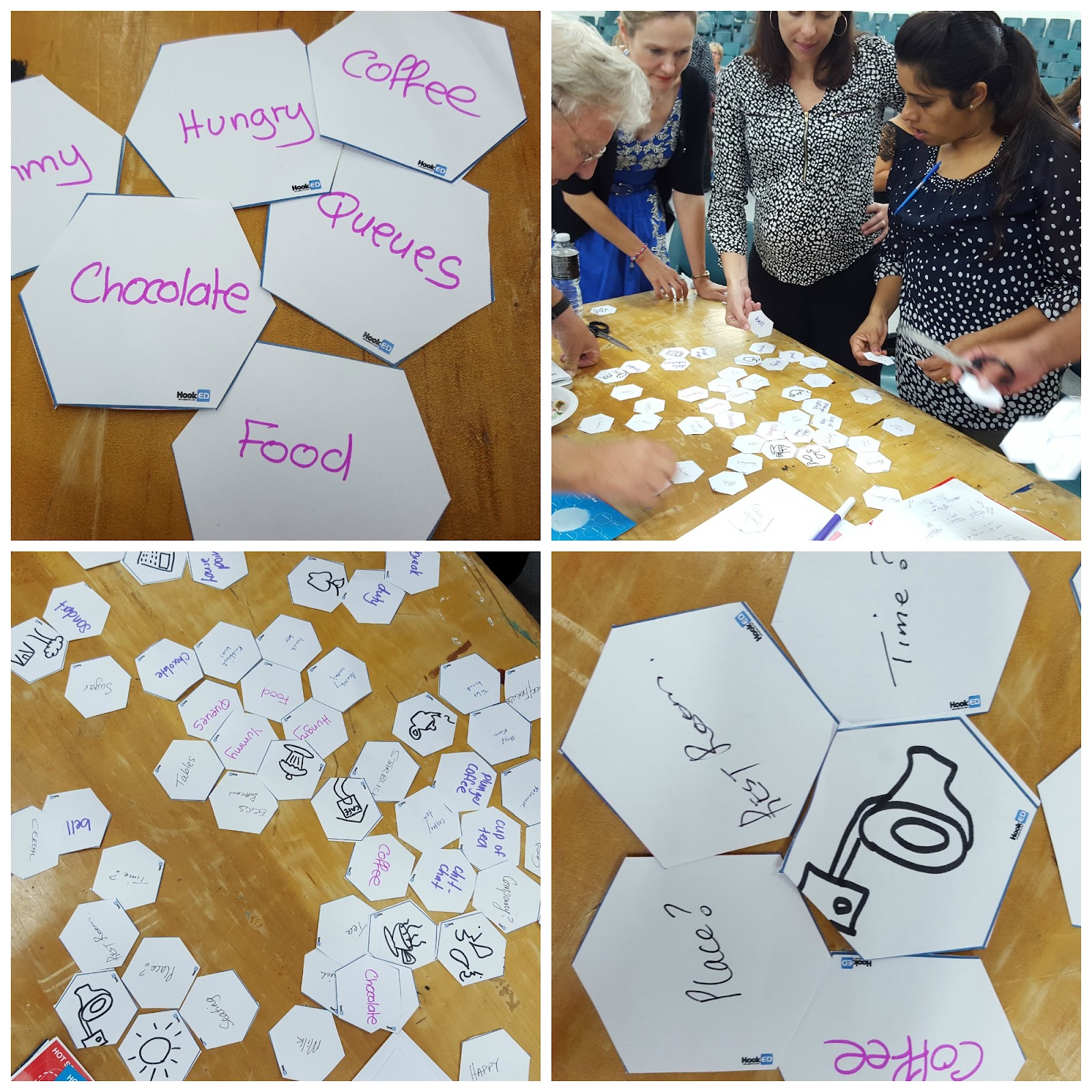

PicMonkey Collage.jpg


Reverse hexagons - give the layout and get them to give reasons why the connections are there. Then what is the big picture.


Hexagon generator


Sharing the SOLO model with students so they know what they are doing and why. It will probably clarify what ideas they have about what learning is.


Functioning knowledge - you can do stuff
Declarative knowledge - you can explain stuff


SOLO brings these 2 different ways together.


Functioning - start by thinking about what you want the students to do.
Progression - i have no idea how to - yes i can do that, tell me what to do - yes i can do that independently, making mistakes and don’t know why, but this is better than leaning on someone’s instructions all the time - technical competence, can do it and know why you are doing things, can identify mistakes - i can try to imagine doing this in a new way, become the expert for others, seeks feedback in order to improve
Can be used for key competencies.
Can be used for behaviour management


One of the biggest causes of failure is lack of academic language in the students.
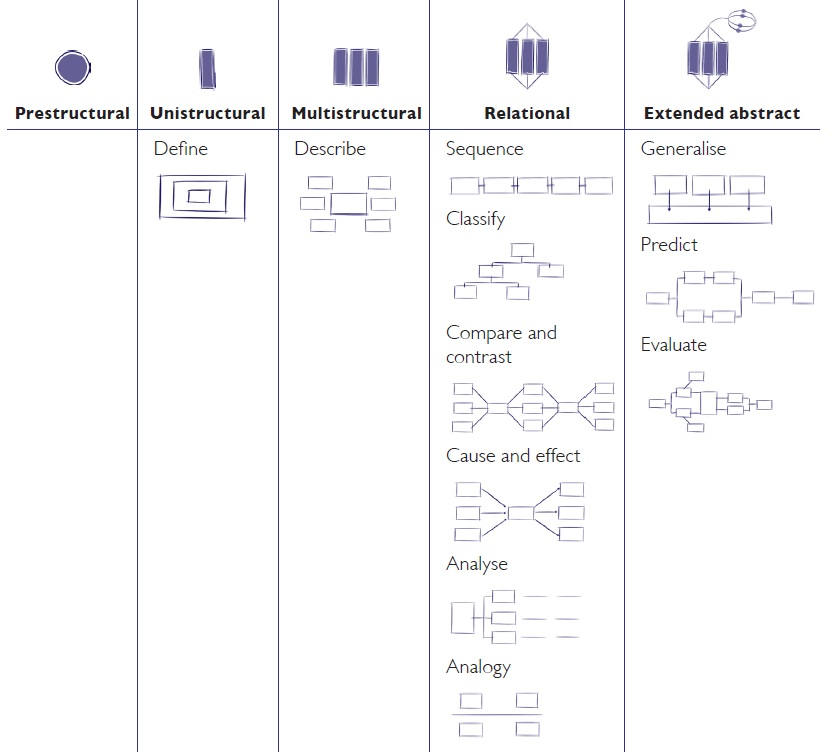
Use visual maps to help with thinking.


Learning intentions generator


my play with the generator -
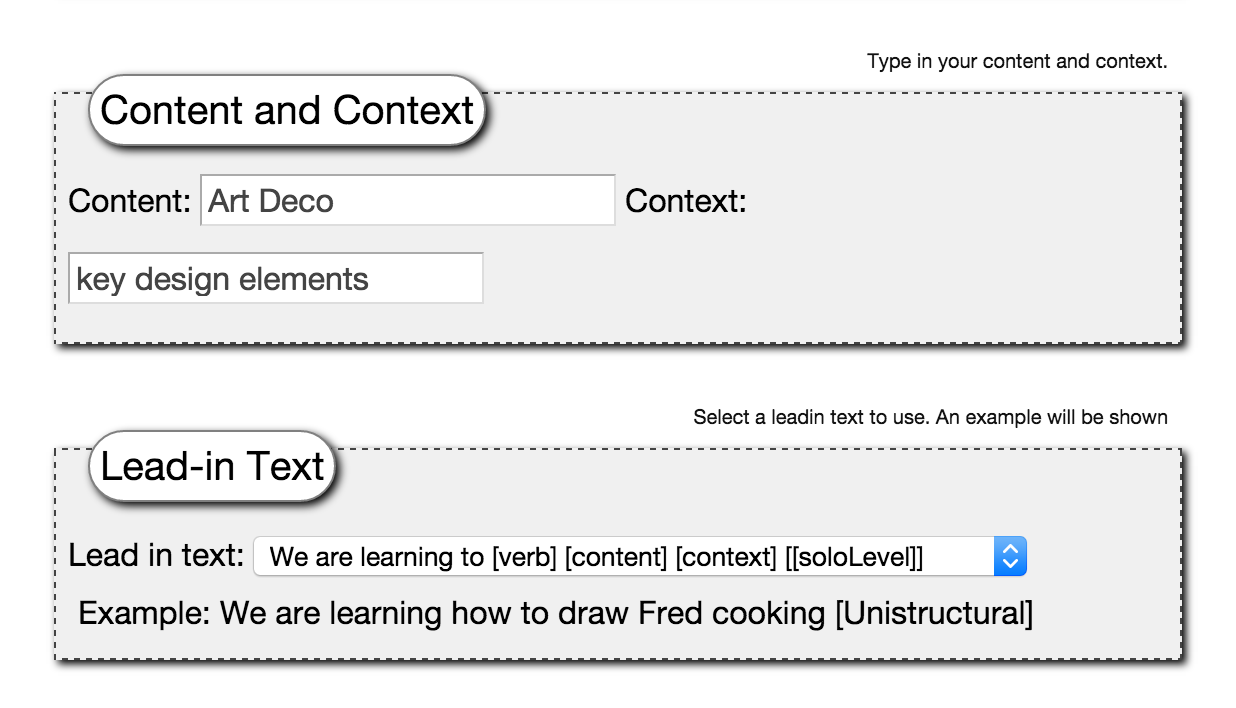

Screen Shot 2016-02-05 at 11.49.04 am.png


We are learning how to Identify Art Deco key design elements [Unistructural]
We are learning how to Label Art Deco key design elements [Unistructural]
We are learning how to Describe Art Deco key design elements [Multistructural]
We are learning how to List Art Deco key design elements [Multistructural]
We are learning how to Compare and contrast Art Deco key design elements [Relational]
We are learning how to Explain effects Art Deco key design elements [Relational]
We are learning how to Design Art Deco key design elements [Extended Abstract]


Students want to get to the answer as quick as possible, is this right, tell me the answer…
As the levels increase, the student's’ ability to work through it themselves increases.
Then students are prepared to not have things in black and white and can look at alternatives.


Engagement does not mean achievement.


NZTA Curriculum resources


Still need teacher judgement so that the information given is at a required level.
Some work can have all the structure there but the quality of the info is not good enough and they will need to go back to it for improvements.


Extended abstract map - claim, info, follow up/reflection


Our prediction diagram example …
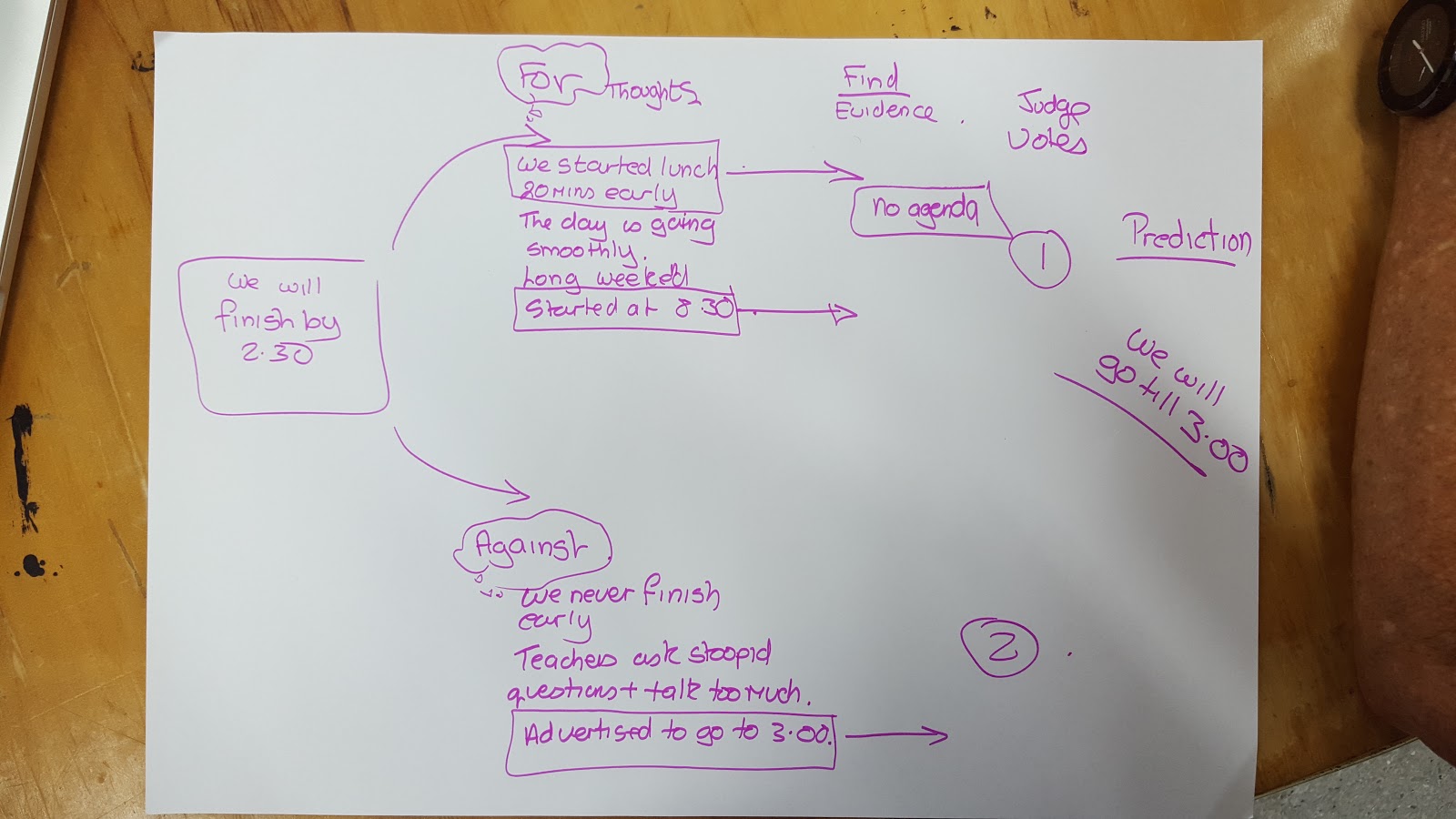

20160205_133938.jpg


Declarative knowledge generator


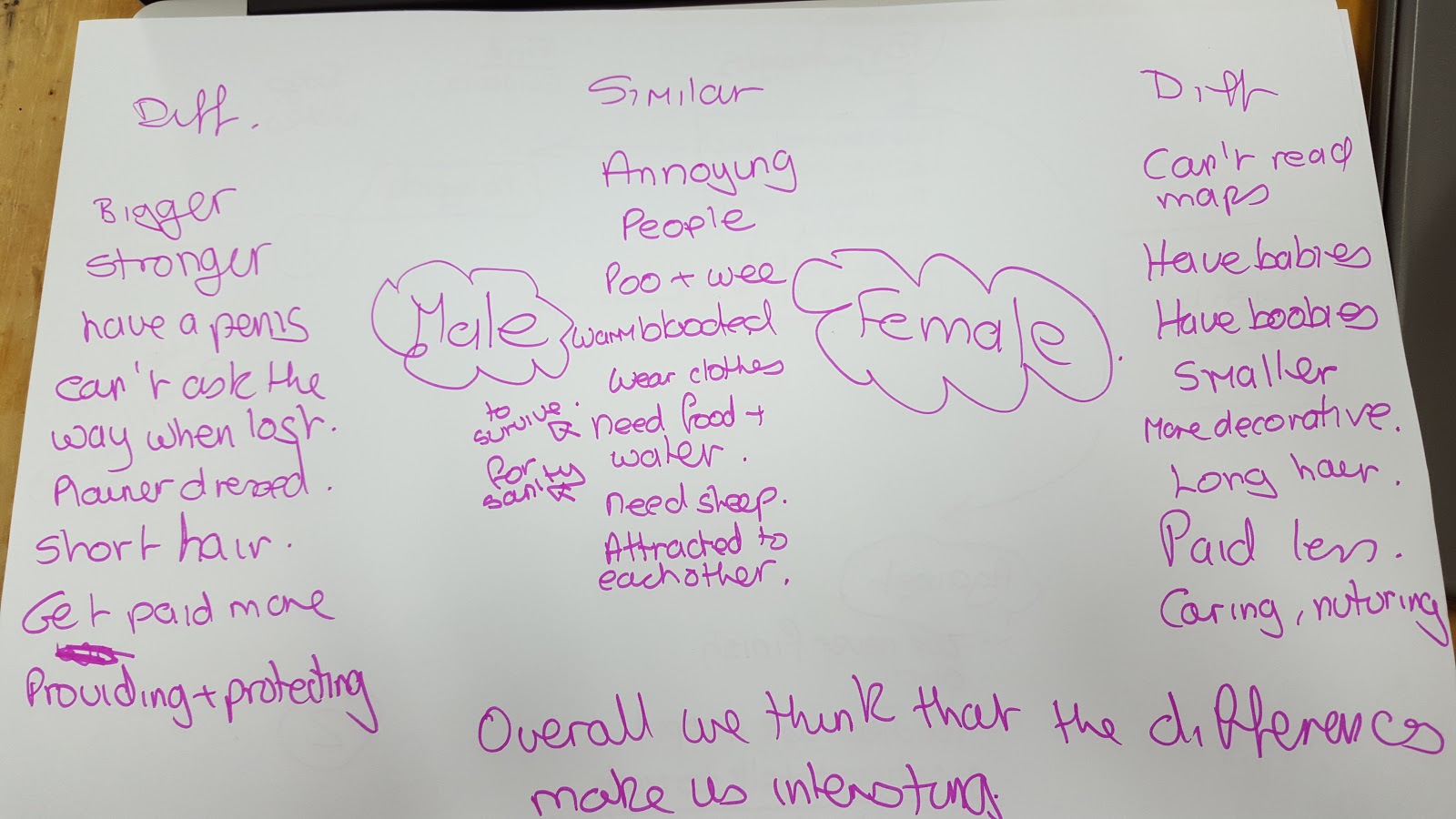
Compare and contrast… use a “because” with the items to lift it up into relational. Put in a final statement “overall i think ……… because …… because ….”. This will then lift it up further.


lot of gives multistructural
reasons why  / because gives relational
the round-up statement gives extended abstract

20160205_141435.jpg

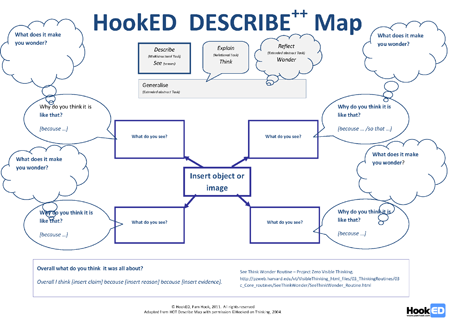
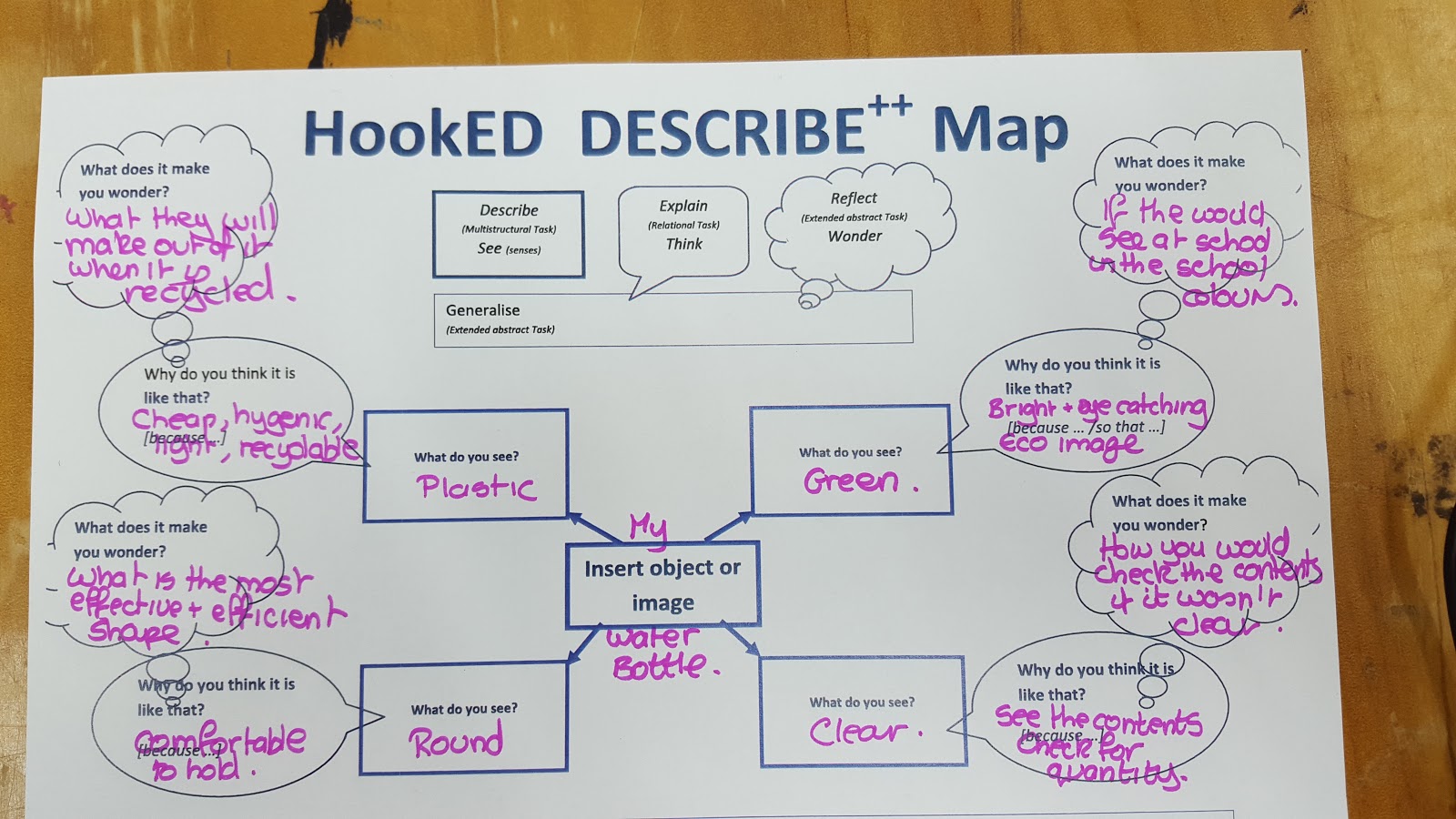
Describe map


HookED_DescribePP_Map_SeeThinkWonder_450X318.png


20160205_145138.jpg


Rectangle for loose idea
Speech bubble for because statements
Thought bubble for wonderings, what ifs etc…


Learning is all about


loose ideas
collecting those loose ideas
working out how these loose ideas connect
seeing what they can do further with this information


Tuesday, February 2, 2016

Results Analysis - Working out the Why?

I was asked recently to write a piece about how we work in DVC and the approach to work, especially in regards to the external standards.
Here is what I wrote for for this feedback, with names removed.


Design and Visual Communication

I always do the work that I want the students to do in a combination of an example just before they do it so they can see what i want them to do and i also tend to do another example along with them so they can see it being produced. This also gives them confidence in me, as they can see that I can put my money where my mouth is.
I sit at the table with them and do the work with them. When they need help with anything, I will do an example just for them individually so they can see how to apply a skill to their own work. I never do this directly on their work, but do it on another sheet so they can follow along with me.
I also do examples of any online / digital work that i expect them to do. This is especially important as Tamaki College tend to be doing this kind of stuff first, so we have to make our own exemplars.
I have the project instructions on the class Google site.
We do collaborative work in the class Google Plus Community. I put up to date links and examples here too. I also experimented this year by putting the day to day instructions, links and learning intentions and outcomes.

All my NCEA Level 1, 2 and 3 students make a site at the start of the year. They use this site as a digital design portfolio. They embed their digital work, scan their drawings and photograph their 3D modelling work. Everything can then onto the one google site for each student.

Level 1

When staff were told to offer a 10 credit course to the at risk group of students, I decided not to do that with Student 1 and Student 2. I discussed this plan with SLT and kept these students on the same course plan as the rest of the class. They had made a really good positive start to their work and I did not want to make them feel like i didn’t think that they could do it. I chatted to the students about this after these decisions had been made and they were quite happy.
The rest of the group were who had a normal to high work frame of mind and they were good at plodding through. I found that my new site set up helped them as they were able to refer to this a lot more when they were needing direction. I have been setting up the level 1 projects in a “MOOC’ style so it encourages more self paced learning. This was done in the form of step by steps using Google presentations and screencasts of skills.
As a class, we do a lot of work together in the class Google Plus community and this seems to give them confidence in what they are doing and it has improved their analysis and note writing.
With Students 1 and 2, I had to have a mind set change myself and allow them to work in the manner and pace that suited them. Student 1 works well by himself, late at night, so I was getting a lot of his work shared with me outside of class time. He is obsessed with playing internet games so I did deals with him in class time. I allowed him his gaming time if he gave me work time when it was needed in the lesson, for activities such as drawing and modelling which had to be done in the class. I also got him to agree to come in in the October holidays with 3 of the other Level 1 boys to complete the second external standard.
This student achieved a merit with one of his internal standards and passed both of the external standards he was entered into. He passed all of his credits in DVC.
With Student 2, he worked well in the class most of the time as long as he also got his “perks” like playing games and playing his guitar. He got to the point by the end of term 3 where he was posting his work into the class community in his own time without me nagging him. I made sure that i sat with him and gave him enough one to one time to get his google site up to date so he felt that he was at the same point as the others in the class.
When he was late to the class, I never mentioned this but just welcomed him as soon as he came in the door and explained what the rest of the class was getting on with. His lateness got less and less as the year went on.
This student passed all of his internal standards and the external that he was entered into.

This PB4L approach, especially to these 2 boys, has been a huge change for me this year and, to be honest, it has at times driven me crazy. It has been such a mindset change for me not to do my usual “nagging” but it has proved worthwhile.

Level 3

Ever since the standards alignment changed all of the Level 3 standards, I have had trouble with external AS91627. I have not had any students pass this standard.
At the beginning of March last year, I organised a meeting with the Technology contact from Team Solutions to talk about this problem external standard at Level 3. They put me in touch with the DVC teacher at another College. I contacted this teacher and they let me go and visit their department. They showed me what they did at Level 3 and gave me lots of good ideas and a really good plan of what to do in regards to that external standard.
When I got back to school after that meeting, my class were told that the work we had done up to then ( about a month’s worth ) was being scrapped and we were starting again.
This proved to be worthwhile, if somewhat painful, as most of the class passed with the added bonus of 2 merit results.

Monday, February 1, 2016

Getting ready for the new school year using SOLO Taxonomy

Although I am a HUGE fan of Han SOLO, this post is about structuring the projects using SOLO taxonomy from the start this year.

I am busy organising a new product design project for my new Year 10 groups this year. I want them to have an experience that is close to one of the NCEA Level 1 projects so that they know what it would be like of they chose it next year.
I have decided that since they are all obsessed with little portable speakers at the moment, then that is what they will be designing. This will also give us a great opportunity to use the 3D printers to create the model of the final design.

Part of what I am preparing is a product analysis exercise. I trialled this arrangement last year with my final group of year 10's, so I am using a similar one this year as it was a successful experiment.
I have used a different slide on the presentation for each step up in the SOLO taxonomy structure so the students can see how analysis can build in complexity. They need to get used to using the higher levels so they can aim for a higher result at NCEA.

It has been much easier to write a project from scratch, building in this structure, rather than trying to add it onto it afterwards.


Thursday, January 21, 2016

Doing the Happy Dance... NCEA Results

Its external results time .... so I took a deep breath and logged on to the NCEA website to take a look at the Design and Visual Communications results.

As usual, a mixed bag but on the whole I am a very happy bunny.
I am extremely happy with the results form both the Level 1 and Level 3 groups.


Level 1 - this table is the feedback that I have completed for school for the Level 1 results for 2015.
The two externals are the last two on this table. I think that although everyone passed AS91063, this can be easily improved upon this year by concentrating on different sketching skills such as cut aways, exploded views etc. This will give the students access to the merit and excellence levels. The way that the course is set up with instructions, screen casts and rewindable learning gives lots of in class opportunities and time for me to go into more in depth sketching and drawing skills with the students. My video drawing board set up will also give me options to record myself doing the drawing skills for the students so they can look at these and practice in their own time.
AS91063 - the orthographic drawing was a success this year. I have offered this to students who are willing to put in extra time in the October holidays but this has changed this year and I have planned to put it in the general course so all the Level 1 students can have a go at it.

Level 1
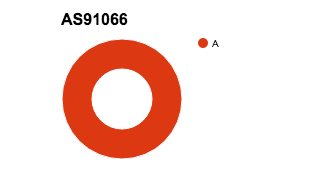
AS91066
Use rendering techniques to communicate the form of design ideas.
NA = 0%
A= 100%
M = 0%
E = 0%
This standard did not have the second try that was planned as we ran out of time. The achieved results were from the chair project half way through the year. The students normally would get a second chance when doing the mobile phone project and this would be where the higher results would be achieved. With the project changes to the mobile phone project this year, and the time spent on the changes, we ran out of time for a second go at rendering.
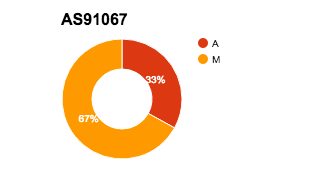
AS91067
Use the work of an influential designer to inform design ideas.
NA = 0%
A = 33%
M = 67%
E = 0%
This work was based on what they did in AS91069. A lot of research is done in that standard and was broken down into steps a lot as this is the standard that I offered as a MOOC this year. I feel that the level of depth that they went into with AS91069 has paid off with the number of merits achieved in this standard.
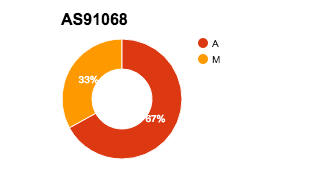
AS91068
Undertake development of design ideas through graphics practice.
NA = 0%
A = 67%
M = 33%
E = 0%
The overall quality of work for this standard for the whole class was an improvement on last year. We spent a long time learning how to use and using Tinkercad in order to 3D print their final pieces of design work. I think this affected our ability to develop in the detail needed at times. This will be planned better for next year.
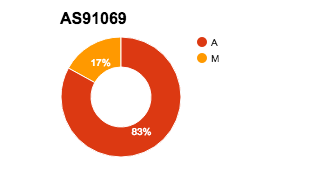
AS91069
Promote an organised body of design work to an audience using visual communication techniques.
NA = 0%
A = 83%
M = 17%
E = 0%
Even though this standard is the one that I offered as a MOOC, so the planning for it was much more broken down into easy to follow steps, this has not come through with higher levels of achievement. It is about the same as last year. To achieve at the higher levels, students need to apply the style of the designer more to their poster layouts. This will be more of a focus next year, as the research is all there and is coming through in AS91067, but needs to be applied more here.
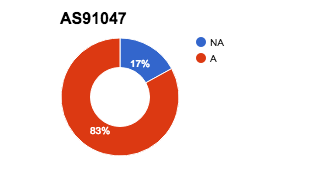
AS91047
Undertake development to make a prototype to address a brief.
NA = 17%
A = 83%
M = 0%
E = 0%
This was a new standard this year and is attached to the same project as AS91068.
The NA showing the results is because of 1 student not completing his final model due to his attendance.
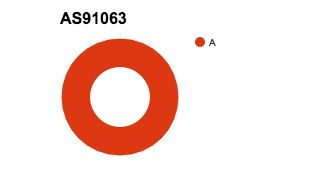
AS91063 - External
Produce freehand sketches that communicate design ideas
NA = 0%
A = 100%
M = 0%
E = 0%
It is good that the whole class passed this standard.
This can be improved upon in 2016 by concentrating on the details of design work so different drawing styles can be used, like cut aways and exploded views.
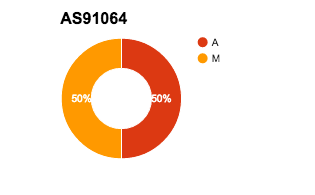
AS91064 - External
Produce instrumental, multi-view orthographic drawings that communicate technical features of design ideas
NA = 0%
A = 50%
M = 50%
E = 0%
This standard was offered to those who wanted to come in during the October holidays.
The results were good so I am building this standard into the whole course for 2016 so it is available to the whole Level 1 class.


Level 3 - this table is the feedback that I have completed for school for the Level 3 results for 2015.
The external, AS91627, has been a problem for me since the standards changed a few years ago. After talking with our Technology contact from Team Solutions about my worries about this standard, she put me in contact with a teacher from another school. I had a great meeting and came away a lot clearer about what I had to do with my Level 3 students for AS91627.
My students were not happy with me when I came back from that meeting in March and told them to bin the work that they had started and we were starting over. I explained very honestly to them what we were doing, why and who I had been talking to about it. I made it clear to them that my problem was getting students to pass that standard and what we were doing was for their benefit. I give my Level 3 group a lot of complements here as they sucked it up and got on with it with very minimal muttering and wanting to kill me.
I also used the Level 3 Google Plus community a lot more this year so there was lots of communication and sharing.
It worked! I am delighted.

Level 3
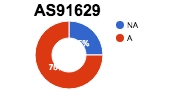
AS91629
Resolve a spatial design through Graphics practice
NA = 25%
A = 75%
M = 0%
E = 0%
The NA were 2 students whose attendance was very poor over the year.
1 of these two also had a very laid back attitude when he was in, so produced no work at all.

We started the external work for AS91627 again at the start of the year in response to my visit to another school for advice. This put back our starting AS91629 but our understanding of it was a lot clearer.
AS91610
Develop a conceptual design considering fitness for purpose in the broadest sense.
NA = 25%
A = 75%
M = 0%
E = 0%
The NA were 2 students whose attendance was very poor over the year.
1 of these two also had a very laid back attitude when he was in, so produced no work at all.

This was a new standard introduced this year to cover the same project work as AS91629. Next year, this needs to be incorporated into the project breakdown and instructions in a much clearer way so the students know what to do to cover the requirements.
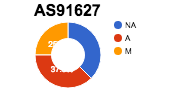
AS91627 - External
Initiate design ideas through exploration
NA = 37.5%
A = 37.5%
M = 25%
E = 0%
2 of the 3 NA results are due to non attendance and not doing any work when they were in the class.

The achieved and merit results are very pleasing and makes the visit to Mangere College that I did in March, to gain a greater understanding of the standard worthwhile.
The plan at the start of the year was to do AS91628 - Develop a visual presentation that exhibits a design outcome to an audience, as well the the two listed here.
We ran out of time for this standard as the work rate from the students was far too slow and I made the decision to complete what they had started rather than start something else.


Level 2 - this table is the feedback that I have completed for school for the Level 2 results for 2015.
Well these external results are the thing that has wiped the smile of my face this year, but it has made it clear what my focus is going to be this year!!
I will fill in the feedback sections for these two externals when I get the students work back from NZQA and read the feedback sheets from them. I can plan then how to get these working better.

Level 2
AS91340
Use the characteristics of a design movement or era to inform own design ideas.
NA = 10%
A = 60%
M = 30%
E = 0%
The not achieved for this standard was 1 student who produced no work all year.
One of the merits is from a student who did DVC L1 last year, but the other 2 are not. They are from students who have a high ability to work independently and produce work in their own time.
The achieved results are from students who are in the trades academy. They missed time in DVC over the year due to their other course requirements but still managed to do all of the work to achieve this standard.
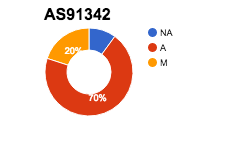
AS91342
Develop a product design through graphics practice
NA = 10%
A = 70%
M = 20%
E = 0%
The not achieved for this standard was 1 student who produced no work all year.
The achieved results are from students who are in the trades academy. They missed time in DVC over the year due to their other course requirements but still managed to do all of the work to achieve this standard. The other achieved result is from a student who did not produce enough work to achieve with merit. He had a timetable that required him to work a lot more independently from me. This is a good focus point for me to break down the tasks more and design the course to be more MOOC style like at Level 1.
One of the merits is from a student who did DVC L1 last year and can work very independently and understand what has to be done to complete a project.
AS91337 - External
Use visual communication techniques to generate design ideas
NA = 100%
A = 0%
M = 0%
E = 0%

AS91338 - External
Produce working drawings to communicate technical details of a design
NA = 100%
A = 0%
M = 0%
E = 0%

The plan at the start of the year was to do AS91341 - Develop a spatial design through graphics practice, as well the the two listed here.
We ran out of time for this standard as the work rate from the students was far too slow and I made the decision to complete what they had started rather than start something else.


so...back to the happy dance!!!


Links to images used...


Tuesday, December 1, 2015

Rewindable Learning ...

Our Year 10 students have started their NCEA Level 1 courses already, and in Design and Visual Communication, we have got straight into the first project and have started researching the work of a few different architects.
I went over in the lesson today what I wanted them to do and did the traditional, all round the front, showing them how. As usual, some got it straight away, some plodded and some still hadn't finished at the end.

I am going to be using our class Google Plus Community a lot more for "rewindable learning" opportunities.
The plan is to do this in a number of ways :-

  • step by step screen shots
  • screen casts
  • videoed skills sessions using my new drawing board / camera set up. 
Here is a link to our DVC Level 1 community.

I have already added screencasts on the class site about setting up and using their online portfolios
Link here
I had also made a start at thinking in this direction earlier in the year with my Y10 group..
Example 1 step by step
Example 2 - using the drawing board to record skills


I decided today to make a screen shot step by step so they can have another go / complete what they started / remind themselves etc... as it is 2 days till I see them next. It is also good as there were a couple of students who missed the lesson today so they can keep uo with what we did today.

Here is today's rewind ....


I feel that this fits in very nicely with everything that I have been doing over the last two years in regards to blended learning and online MOOC style learning.
It will give the students much more opportunities to try again in their own time and keep up.

Sunday, November 29, 2015

Using SOLO Taxonomy to help to structure Design Development

When doing design work with students, I find the most difficult thing to get over to them is the design development stage. They all want to do one design idea and rush on to the final thing. They have trouble understanding the point of doing more design work and working through a process.

To help with this, I have started looking at how I can use SOLO to structure the process of design development.
Earlier this year, I made this questions sheet to refer to when helping students analyse their research work. I thought that this could also be the starting point to make the steps through design development.

Here is my first thoughts on how this could be put together :-

Unistructural - they identify the main features of existing products that are similar to what they are thinking about designing.
Multistructural - they combine elements of what they have researched and list / label / describe the main design elements they have included.
Relational - analyse what they have drawn already in terms of shape and add design elements. These decisions are analysed and explained.
Extended abstract - further development drawing fulling successful elements together. Analysis explaining next steps.

Here is the support work I put together for this and I have tried it out on my Year 10 group.


Here is a copy of work produced by a Year 10 student based on this structure.
I realise that he used my example as a direct template but if it gives a starting point to build on then that is good.
Next steps ...
I need to get students to be more comfortable with trying things out, experimenting and failing. This now needs building into the steps so it is clear that this is part of the whole process and can add positive results. Students are still scared of failing and still try to hide the work they see as "wrong". 
Design is a process of trial, error, try again.
I am really liking how SOLO is helping me build something that will support the students not only in the process they must work through, but in giving them access to the higher levels of achievement in Design and Visual Communication.
Definitely a work in progress......